Different Paths. Same Purpose.

A seminar, 3 coaches, and an unexpected lesson about the people who shape us.

Some weekends change your workout. Others change how you think about training altogether.

Walking into the seminar, I was eager to learn from Bret Contreras one of the most influential names in strength training. Best known for creating and popularizing the barbell hip thrust and bringing more research into glute specific training, his work has changed how coaches think about lower body programming. I wanted to spend the weekend learning not just new exercises, but the science behind them.
The Evolution of Glute Training:

One of my favorite parts of the seminar wasn't a workout.
It was the history lesson.
For years, glute training largely revolved around squats. Romanian deadlifts, lunges, and step ups. Hip thrust weren't common, and dedicated glute machines or isolation work often weren't considered essential.
Looking back at how programming has evolved shows how much sports science and, coaching can change overtime.
My takeaway: Fitness isn't static. Good coaches evolve when better evidence becomes available.
Why So Much Focus On the Glutes?

One discussion explored why glute training has become such a major focus in strength training.
Among the topics covered:
The gluteus maximus is the largest muscle in the human body.
Women generally have proportionally larger glute muscles than men.
The glutes respond well to progressive strength training.
Individual anatomy influences how different exercises challenge the muscle.
Instead of chasing trends, the conversation centered on understanding why certain training methods work.
Squats vs. Hip Thrusts: It's Not Either Or

This might have been my favorite presentation.
Rather than asking,
"Which exercise is best?"
The discussion focused on a better question:
"Best for what"
Research comparing squat focused and, hip thrust focused training suggests each movement has strengths.
Hip thrusts appear especially effective for developing hip extension strength and glute hypertrophy, while squats remain excellent for building squat strength and, overall lower body development.
The biggest lesson?
Great programming isn't about picking one exercise forever.
It's about knowing when each tool fits the goal.
Brazil Mentioned 🇧🇷:

One study Bret shared examined the training habits of over 1,000 recreationally trained women in Brazilian gyms between the age of 18 and 35.
The presentation discussed how cultural and aesthetic priorities may influence glute training volume in Brazil and highlighted the importance of considering glute work performed during compound exercises, not just isolation movements.
He followed this with programming examples showing that instead of throwing out squats, Romanian deadlifts, lunges, and leg press, adding hip thrusts and hip abduction work can create a more complete glute program.
He later explained why that approach works:
Variety in movement patterns.
Different portions of the glute being challenged.
Stimulus across stretched, shortened, and mid range positions.
Building sustainable training volume rather than chasing one “magic” exercise.
What I Appreciated Most: Meeting Bret Contreras

One thing that stood out that weekend was how frequently discussions returned to published research.
Rather than relying solely on opinions Bret walked through different studies comparing different exercises and muscle positions, explaining where the evidence is strong and where we are still learning.
The seminar reminded me fitness is bigger than individual exercises.
It's about curiosity.
Research.
Being willing to update your thinking.
And continuing to learn long after you think you've mastered something.
A huge shoutout to Bret for his curiosity, fearlessness, and for inspiring so many!
For my Central Florida locals, let me introduce you to Z:
In today’s world, especially on social media, the most visible fitness coaches have built their platforms online. As a fellow entrepreneur, I absolutely admire that. Building a business around your passion is something I deeply respect.
With Z, there was no need to scroll.
He reminded me that not all influence happens online.
I was already watching someone quietly do the work many people never get to see.
Guiding young athletes.
Working with women.
Helping older adults navigate health conditions.
Meeting people wherever they are in their journey.
The ability to train people with completely different goals, backgrounds, and starting points requires something beyond knowledge.
It takes character.
Commitment.
Integrity.
Every client places a tremendous amount of trust in the person guiding them, and that’s a responsibility that should never be taken lightly.
When I asked Z why he became a personal trainer, his answer was simple:
He wanted to help people.
More specifically, he loves watching people’s confidence grow.
Pause for a second.
How many people in your life can you honestly say intentionally want to build your confidence?
Not many.
The interesting part is…
Z never had to tell me that.
I could see it.
I could feel it.
His smile is brightest when the person he’s training starts taking themselves as seriously as he does.
That’s something that stayed with me.
I’m not sure you can teach someone to care that deeply.
But I do believe you can teach someone what it looks like to take pride in their work.
Who Develops the Coaches?:
If great trainers can influence so many lives, who helps shape the trainers themselves?
That question naturally brought me to Chaz.
While Z reminded me what great coaching looks like on the gym floor, Chaz gave me a completely different perspective.
For more than a decade, he’s been coaching people, mentoring trainers, and helping develop a team of coaches who each bring their own personalities, strengths, and coaching styles to the fitness industry.
Our conversation wasn’t really about workouts.
It was about growth.
At one point, I asked him what advice he’d give someone like me who’s just beginning a career in coaching.
His answer surprised me.
Experience.
I think part of me expected him to recommend another certification, another course, or another book to read.
Instead, he reminded me that while education builds your foundation, experience teaches you how to apply it.
You can learn anatomy.
You can learn programming.
You can learn biomechanics.
But eventually, you’ll stand in front of a real person.
Someone whose goals, fears, injuries, motivation, and life circumstances are completely different from the client before them.
That’s something no textbook can fully prepare you for.
The more we talked, the more I realized that developing great coaches isn’t just about teaching exercises.
It’s about helping people develop judgment.
Confidence.
Communication.
And the ability to earn someone’s trust.
A Pattern I Couldn’t Ignore:
Throughout these conversations, I started noticing something I wasn’t expecting.
One thing all three coaches had in common surprised me.
Ironically, all three are pretty big, muscular guys.
Yet none of them preached the idea that heavier is always better.
In today’s fitness world especially online it’s easy to believe that the answer is simply adding more weight to the bar.
But Bret and Chaz, both independently gave the same reminder.
At a certain point, adding more weight isn’t necessarily what leads to more progress.
They both talked about something that often gets overlooked online:
The risk of injury.
The lower back came up more than once.
As someone who’s still learning, that really stuck with me.
Not because lifting heavy is wrong it absolutely has its place these conversations reminded me that longevity matters just as much as intensity.
That’s when a lesson from my childhood came rushing back.
Listen to the people who’ve walked the path before you.
Not because they’re perfect.
But because experience teaches lessons you often can’t find in a textbook or a 30 second social media video.
Like Z and Bret, helping people was one of the first reasons Chaz gave for staying in this industry.
But then he said something that stopped me.
And reminded me of my very first teacher;
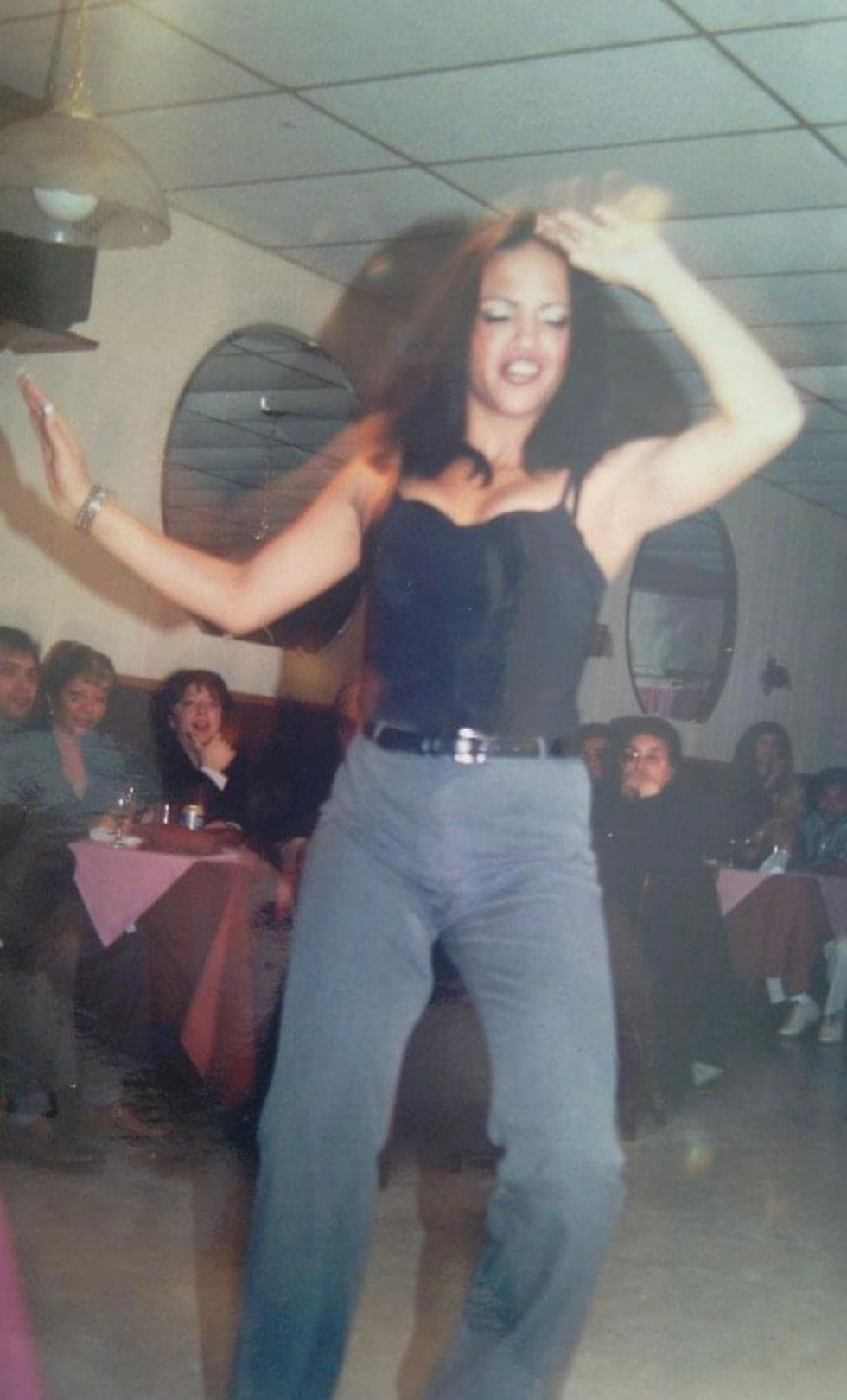
My mom.
Their stories are different, but the choice behind them felt familiar. They both came from difficult beginnings and decided those beginnings would not determine what they gave to the world. They found a better focus, and then dedicated themselves to helping other people find theirs.
When you really think about it, that’s not something you come across very often.
Some people fall in love with the science.
Some people fall in love with the technical side.
And then there are the people who fall in love with the purpose.
The people who wake up every day and intentionally choose to make someone else’s life a little better.
I think that’s what makes leaders exceptional.
I’ll be honest…
When I started writing this article, I thought it was going to be a simple recap of Bret Contreras’ seminar followed by a small announcement that I had become certified.
That was it.
But somewhere in the middle of writing, I found myself asking a different question.
Why does this certification mean so much to me?
People become certified daily.
So why did this one feel different?
Then I realized…
I grew up surrounded by people who quietly pursued excellence.
Every morning my dad would drop me off at school, then go for a run.
Every.
Single.
Day.
Long after his professional soccer career had ended.
I wasn’t the athletic kid growing up.
Sports weren’t my thing.
But consistency was always there, even when I didn’t realize I was watching it.
At the time, I thought that was just normal.
The same was true for my mom.
My mom represented Peru professionally through dance.
But when her performing career ended, her work didn’t.
She dedicated herself to teaching girls and women our culture through movement. She choreographed group performances, coached solo routines, organized competitions, and spent years helping her students discover what they were capable of.
It never crossed my mind that having two parents who had both reached professional levels in what they loved wasn’t something everyone grew up around.
They never acted like it was a big deal.
What influenced me most wasn’t what they accomplished.
It was their character.
My mom never just taught dance.
She taught confidence.
Stand tall.
Fix your posture.
Smile.
Stay on your toes.
Keep your core engaged.
Move with intention.
Land with precision.
At the time, they sounded like dance corrections.
Now I realize she was teaching young girls and women how to carry themselves through life.

My dad was different.
I can tell you the teams he played for.
I can tell you the accomplishments.
Honestly…
I had to look most of them up myself.
He never talked about them.
When he took me to Peru at twelve years old and people stopped him for pictures and autographs, I honestly thought,
“Wow… Peruvians really love soccer.”
That’s how normal he made it all seem.
What my dad taught me had nothing to do with soccer.
It was stillness.
No matter what was happening around him, he stayed calm.
Even when my mom was yelling.
I used to wonder…
How?
Sometimes I even wished he’d lose his cool just once.
But I think I understand it now.
When you’ve found purpose in what you do…
When you’ve found people worth serving…
And people who genuinely believe in you enough to push you even further…
Everything else gets quiet.
That’s what Bret reminded me of.
That’s what I saw in Z,
That’s what Chaz reinforced.
And that’s what my parents had been showing me long before I realized I was paying attention.
None of them inspired me because of their titles.
They inspired me because of the way they live.
Research.
Leadership.
Coaching.
Teaching.
Discipline.
Service.
Different paths.
The same purpose.
Somewhere in the middle of writing this article, I officially became a
NASM Certified Personal Trainer.
At first, I thought the certification was the destination.
Now I think it’s simply permission to begin.
Because if this journey has taught me anything, it’s that the most meaningful part of coaching isn’t the certification hanging on the wall.
It’s what you choose to do for people after you earn it.
Where to Find Them
If any of these stories inspired you to learn more, here's where you can find the people behind them.
Bret Contreras: The Glute Lab - Fort Lauderdale, Florida
Z: LA Fitness - Winter Garden, Florida
Chaz: LA Fitness - Winter Garden, Florida (407) 877-0680


Comments